Procurement comparison
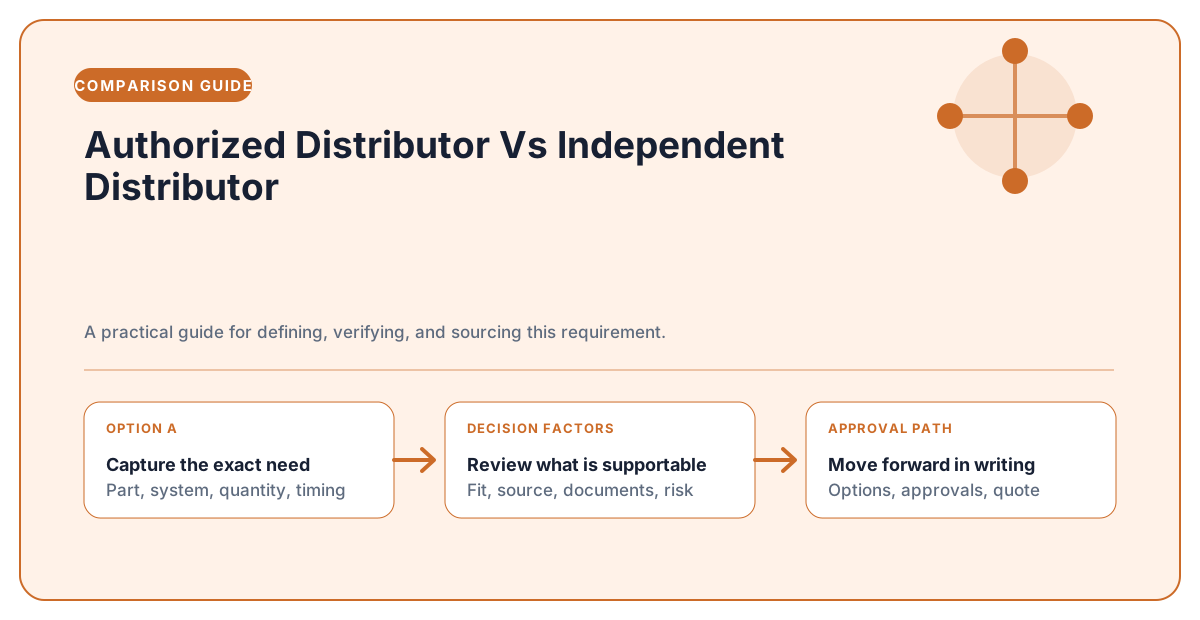
Authorized vs. Independent Electronic Component Distribution
Reviewed by Enzo Parilli · Updated 2026-08-02 · Editorial policy
Direct answer
Which is better: an authorized or independent distributor?
Neither route is universally better. Authorized distribution may provide a different evidence and commercial basis than independent supply; the correct choice depends on application risk, schedule, documentation, price, and the buyer's approval process.
At-a-glance comparison
| Dimension | Option A | Option B |
|---|---|---|
| Typical evidence | Channel or manufacturer relationship evidence | Offer-specific source, lot, and inspection evidence |
| Common strength | Documented channel path for supported products | Access to constrained or legacy supply |
| Approval question | Is this offer covered by the represented route? | What remains unknown and what inspection is required? |
Option labels summarize the comparison topic; the full engineering and procurement requirement controls the final decision.
Comparison table
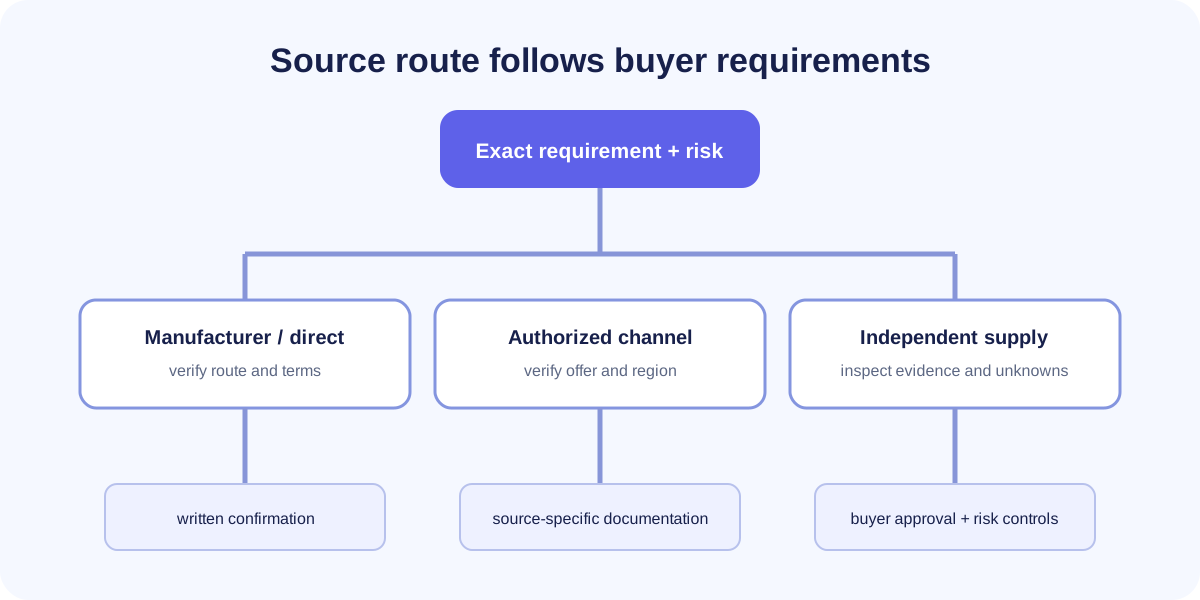
- Authorized: manufacturer-channel relationship should be verified for the offer and region.
- Independent: may provide access to constrained or legacy parts but requires offer-specific evidence and risk review.
- Both: exact MPN, packaging, condition, quantity, date code, and written terms still matter.
Selection factors
- Application criticality and counterfeit exposure
- Traceability, inspection, and documentation requirements
- Required date, quantity, packaging, and split-shipment tolerance
- Buyer-approved alternates and source restrictions
RFQ questions
- What is the represented source route?
- What evidence is available for this specific lot or offer?
- What remains unknown or conditional?
- Who approves the option before order release?